The FOREX (FOReign currency EXchange) market is trading at $2.5 trillion every day. That is a hundred times more than the New York Stock Exchange. As long as the World has different countries, with different currencies, and there will be International Trade and there will always be a worldwide foreign exchange (FOREX) market. The FOREX has to exist so a country like Japan can sell products in the United States and be able to receive Japanese Yen in exchange for US Dollars
Saturday, June 4, 2011
FOREX TRADING TODAY
The FOREX (FOReign currency EXchange) market is trading at $2.5 trillion every day. That is a hundred times more than the New York Stock Exchange. As long as the World has different countries, with different currencies, and there will be International Trade and there will always be a worldwide foreign exchange (FOREX) market. The FOREX has to exist so a country like Japan can sell products in the United States and be able to receive Japanese Yen in exchange for US Dollars
Tuesday, February 8, 2011
Foreign exchange market
The foreign exchange market (forex, FX, or currency market) is a worldwide decentralized over-the-counter financial market for the trading of currencies. Financial centers around the world function as anchors of trading between a wide range of different types of buyers and sellers around the clock, with the exception of weekends. The foreign exchange market determines the relative values of different currencies.[1]
The primary purpose of the foreign exchange is to assist international trade and investment, by allowing businesses to convert one currency to another currency. For example, it permits a US business to import British goods and pay Pound Sterling, even though the business's income is in US dollars. It also supports speculation, and facilitates the carry trade, in which investors borrow low-yielding currencies and lend (invest in) high-yielding currencies, and which (it has been claimed) may lead to loss of competitiveness in some countries.[2]
In a typical foreign exchange transaction, a party purchases a quantity of one currency by paying a quantity of another currency. The modern foreign exchange market began forming during the 1970s when countries gradually switched to floating exchange rates from the previous exchange rate regime, which remained fixed as per the Bretton Woods system.
The primary purpose of the foreign exchange is to assist international trade and investment, by allowing businesses to convert one currency to another currency. For example, it permits a US business to import British goods and pay Pound Sterling, even though the business's income is in US dollars. It also supports speculation, and facilitates the carry trade, in which investors borrow low-yielding currencies and lend (invest in) high-yielding currencies, and which (it has been claimed) may lead to loss of competitiveness in some countries.[2]
In a typical foreign exchange transaction, a party purchases a quantity of one currency by paying a quantity of another currency. The modern foreign exchange market began forming during the 1970s when countries gradually switched to floating exchange rates from the previous exchange rate regime, which remained fixed as per the Bretton Woods system.
Diamond ring
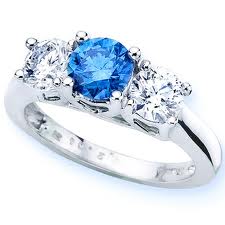
- Diamond ring, a type of jewellery featuring a diamond. For this usage, see also engagement ring.
- This Diamond Ring, a 1965 pop song written by Al Kooper, Bob Brass and Irwin Levine, and attributed to Gary Lewis and the Playboys
- "Diamond Rings" (song), a song by Chipmunk
- "Diamond Ring", a song by Bon Jovi from their 1995 album These Days
- "Diamond Ring", a song by Pedro the Lion from the 1999 EP The Only Reason I Feel Secure
- Diamond Rings (musician), an indie rock musician from Toronto, Canada
- "The Diamond Ring", a song by Adair from their 2006 album The Destruction of Everything is the Beginning of Something New
- "This Diamond Ring", episode #5.19 of Dharma & Greg featuring Claudia Schiffer as Gretchen
- "A phase during a solar eclipse when a little bit of Sun appears from the edge of the Moon, right before and right after totality, called the
Subscribe to:
Posts (Atom)